
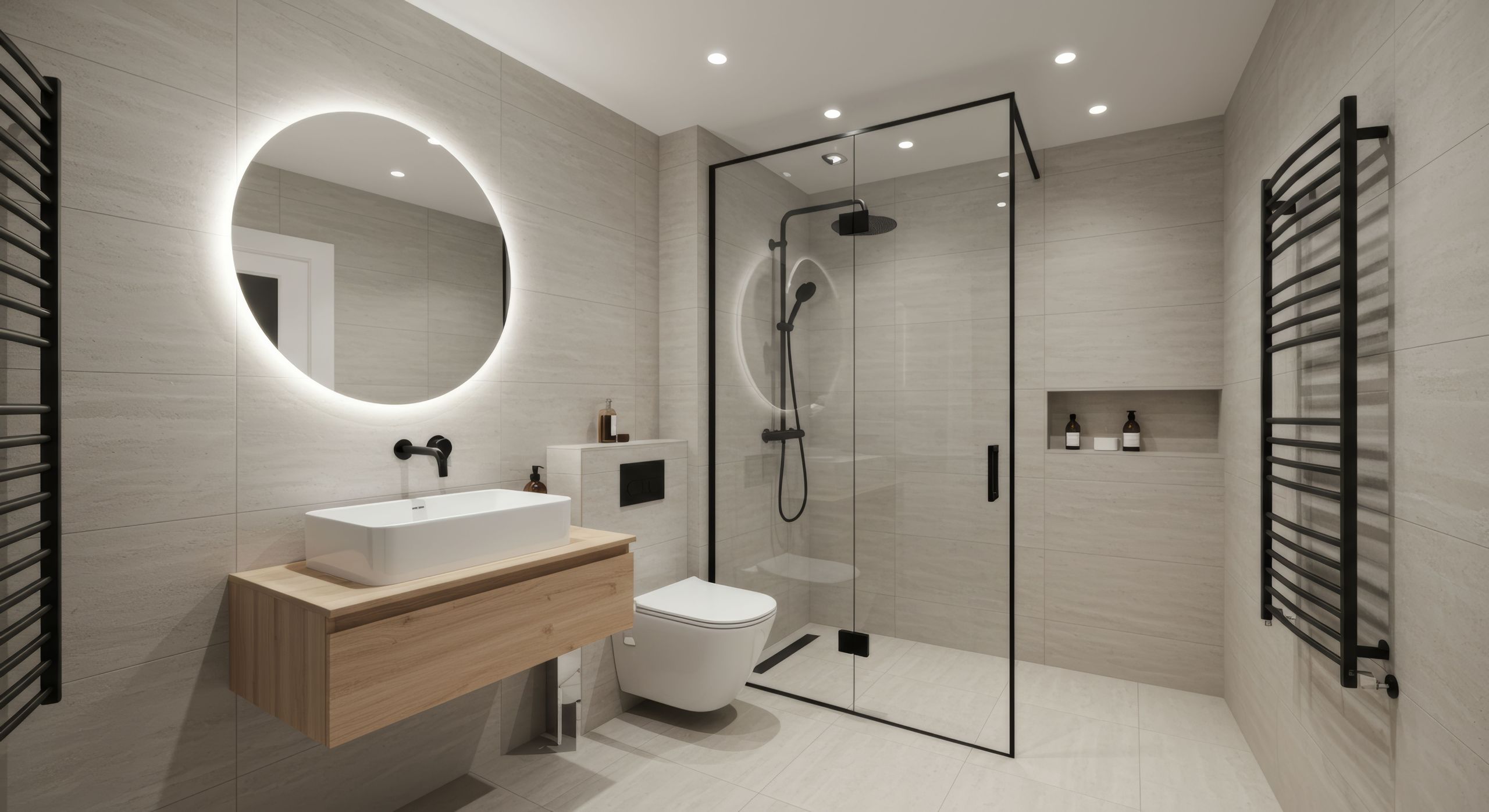
How to Maintain Porcelain Surfaces: A Complete Care Guide
Knowing how to maintain porcelain surfaces properly is key to preserving their refined appearance and long-term performance. Porcelain is prized for its durability, low porosity, and elegant finish—but like all premium surfaces, it benefits from correct care.
Whether installed as flooring, wall cladding, or worktops, porcelain surfaces from MARVRA are designed to deliver timeless beauty with minimal maintenance. This guide explains exactly how to keep them looking impeccable in everyday UK homes.
What Are Porcelain Surfaces?
Porcelain surfaces are manufactured from refined clay and minerals, fired at extremely high temperatures. This process creates a dense, non-porous material that resists moisture, stains, and wear better than many natural stones.
Common applications include:
- Porcelain floor tiles
- Porcelain wall tiles
- Porcelain kitchen worktops
- Porcelain bathroom surfaces
Why Proper Porcelain Maintenance Matters
Although porcelain is exceptionally resilient, routine care:
- Preserves colour and finish
- Prevents residue build-up
- Maintains slip resistance on floors
- Extends the lifespan of tiles and slabs
Correct maintenance also ensures porcelain retains its luxury appearance—especially important in high-traffic areas.
How to Maintain Porcelain Surfaces Day to Day
Routine Cleaning (Daily or As Needed)
For everyday upkeep:
- Sweep or vacuum to remove dust and grit
- Wipe surfaces with warm water and a soft microfibre cloth
- Use a pH-neutral cleaner diluted in water
This simple routine prevents abrasive particles from dulling the surface over time.
Weekly Cleaning for Porcelain Tiles & Slabs
For a deeper clean:
- Use a mild porcelain-specific cleaner
- Mop floors with clean water (avoid over-wetting)
- Rinse thoroughly to prevent streaks
Avoid leaving cleaning solutions to dry on the surface, as residue can cause hazing.
Deep Cleaning Porcelain Surfaces Safely
Occasional deep cleaning helps restore porcelain’s original clarity:
- Choose a non-abrasive, professional-grade porcelain cleaner
- Use a soft brush for textured finishes or grout lines
- Rinse thoroughly with clean water
Steam cleaners may be used cautiously on porcelain floors, provided grout and installation allow for it.
Stain Prevention & Spill Management
One of porcelain’s advantages is its extremely low porosity, meaning spills rarely penetrate the surface.
Best practice:
- Wipe spills promptly, especially oils or acidic liquids
- Avoid leaving standing water for prolonged periods
- Use mats or rugs in entrances to reduce tracked-in debris
Unlike natural stone, porcelain does not require sealing.
Porcelain Maintenance by Area
Porcelain Floors
- Regular sweeping prevents micro-scratches
- Use felt pads under furniture
- Avoid waxes or polish coatings
Porcelain Walls
- Clean with diluted neutral cleaner
- Rinse soap residue in bathrooms to prevent water marks
Porcelain Worktops
- Safe for daily kitchen use
- Use chopping boards to protect knives
- Clean with warm water and mild detergent
Common Porcelain Maintenance Mistakes to Avoid
Avoid:
- Acidic or bleach-based cleaners
- Abrasive pads or wire brushes
- Oil-based soaps or wax finishes
These can leave residues or damage surface texture over time.
Long-Term Care Tips for Porcelain Tiles & Slabs
- Stick to consistent cleaning routines
- Replace grout sealant when required
- Use appropriate cleaners recommended for porcelain
- Address chips or cracks promptly
With proper care, porcelain surfaces maintain their appearance for decades.
Why Choose Porcelain Surfaces from MARVRA?
At MARVRA, porcelain collections are curated for:
- Architectural precision
- Consistent colour and finish
- Exceptional durability for UK living
Our porcelain surfaces combine refined aesthetics with practical performance—ideal for contemporary and classic interiors alike.
FAQs: Porcelain Surface Maintenance
How often should porcelain surfaces be cleaned? Light cleaning can be done daily, with deeper cleaning weekly depending on foot traffic. Can I use vinegar on porcelain tiles? Occasional diluted vinegar may be used, but pH-neutral cleaners are safer for long-term care. Do porcelain surfaces need sealing? No. Porcelain is non-porous and does not require sealing. How do you remove stains from porcelain tiles? Most stains lift with warm water and a mild porcelain cleaner. Is porcelain suitable for kitchens and bathrooms? Yes. Porcelain is ideal due to its moisture and stain resistance. Can porcelain surfaces scratch or fade? Porcelain is highly scratch- and fade-resistant when cleaned correctly. What is the best cleaner for porcelain surfaces? A pH-neutral cleaner designed for porcelain tiles and slabs.