

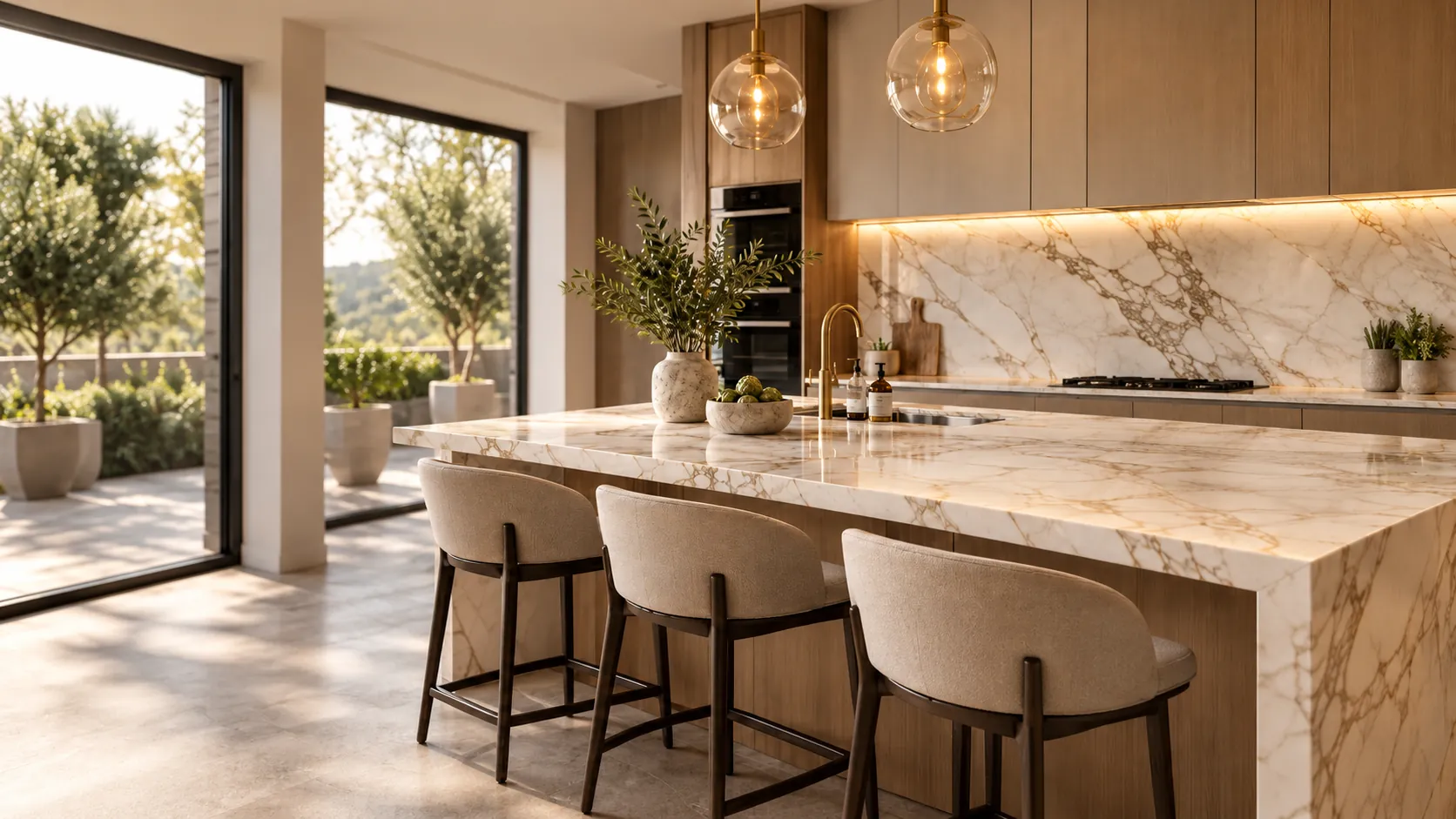
Bespoke stone worktops
Kitchen worktops, measured, cut & fitted.
Quartz, granite, marble, quartzite and porcelain worktops, templated to your kitchen and fitted by our own team.
- Quartz, granite
and marble - Templated and fitted
by our team - No minimum
order
Get a free quote
Speak to our team
Leave your details and we call you to talk through your kitchen worktops.
Your details are safe with us.
Quartz, quartzite, marble, granite, porcelain, onyx
All 252 worktopsOur worktops.
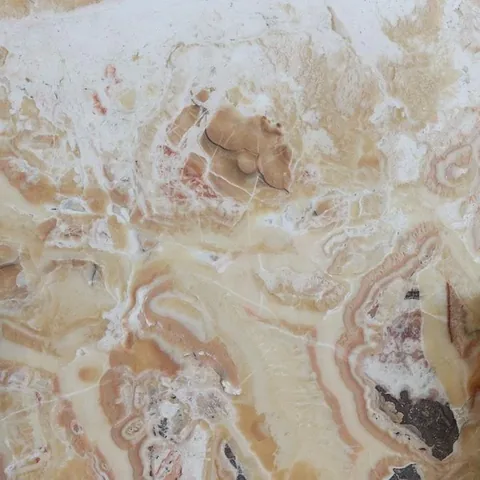
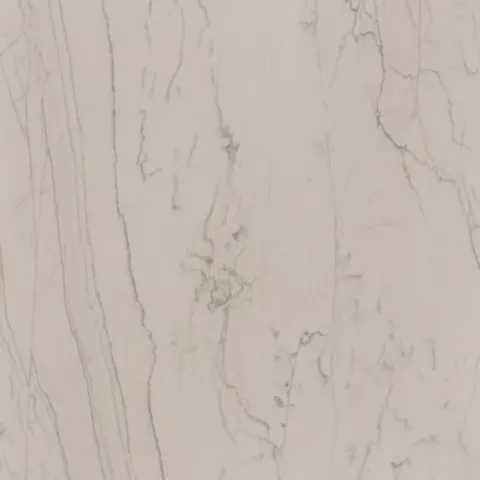

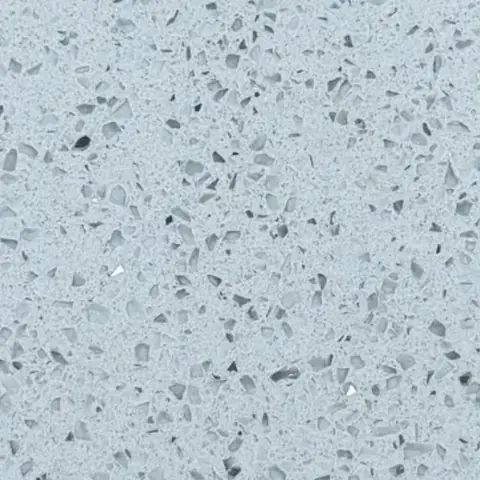
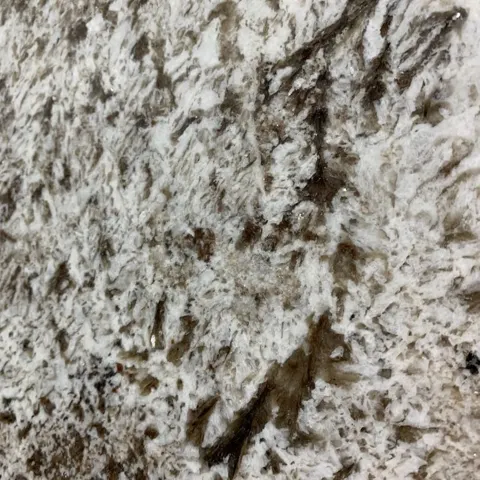

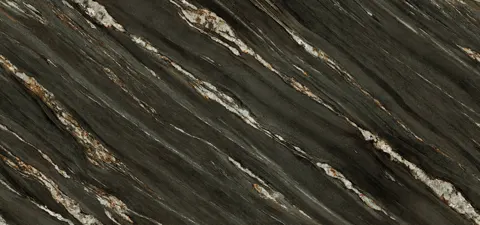
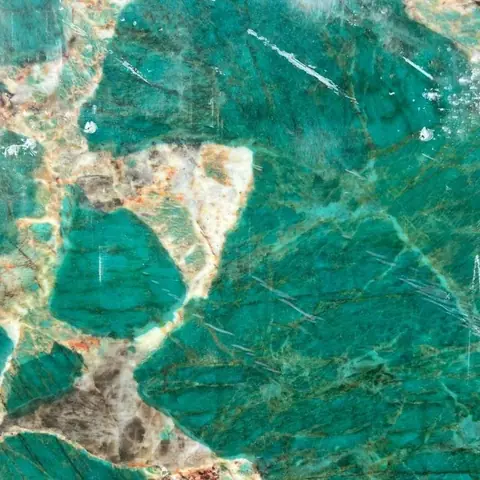
Seen one you like? Tell us which and we call you to talk through your kitchen.
Fitted by us, photographed on siteSome of
Some of
our work.
How it worksFrom photo
From photo
to quote.
No obligation. Send a few details and we take care of the rest.

1Send a photo
A photo of your kitchen and rough sizes, on WhatsApp or through the form.
2Choose the stone
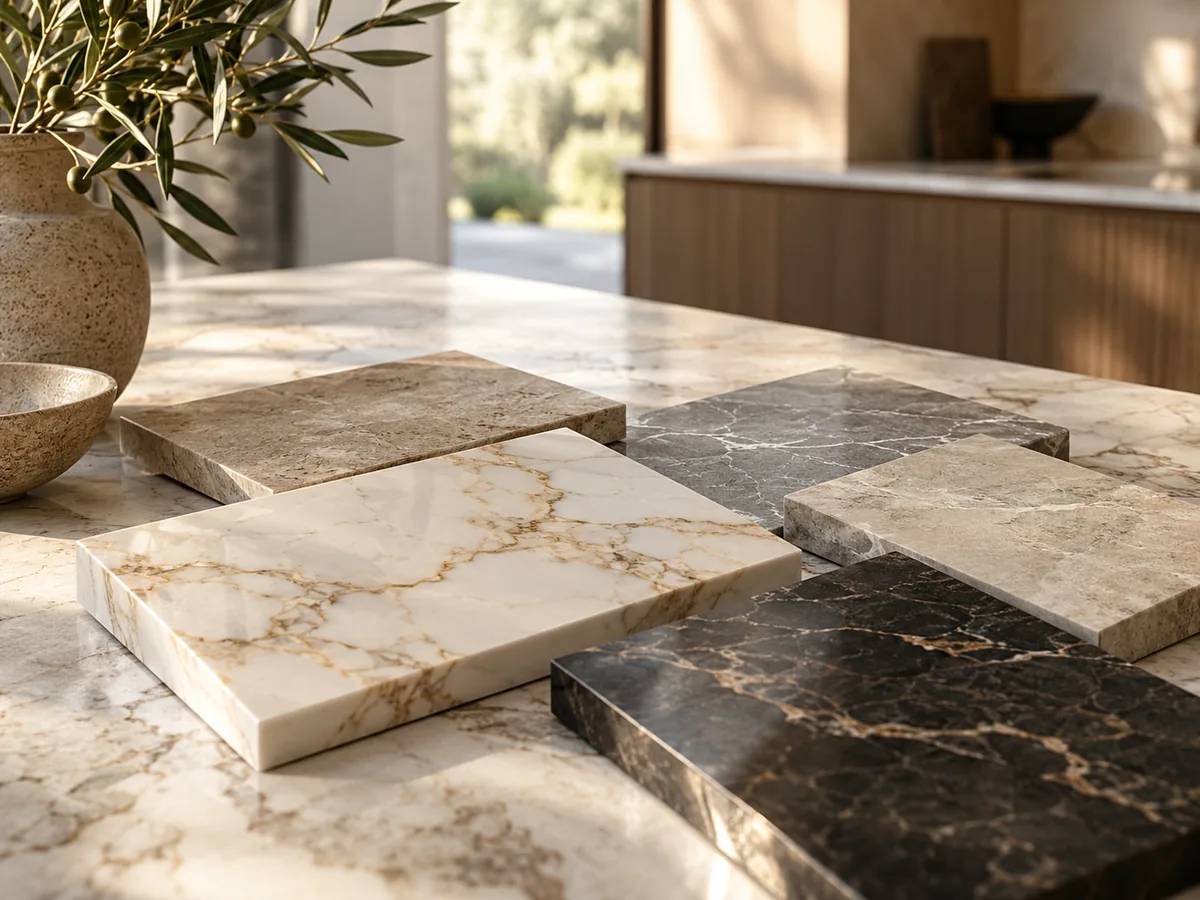
From the range, or tell us the colour you have in mind and we suggest stones.
3Get your quote
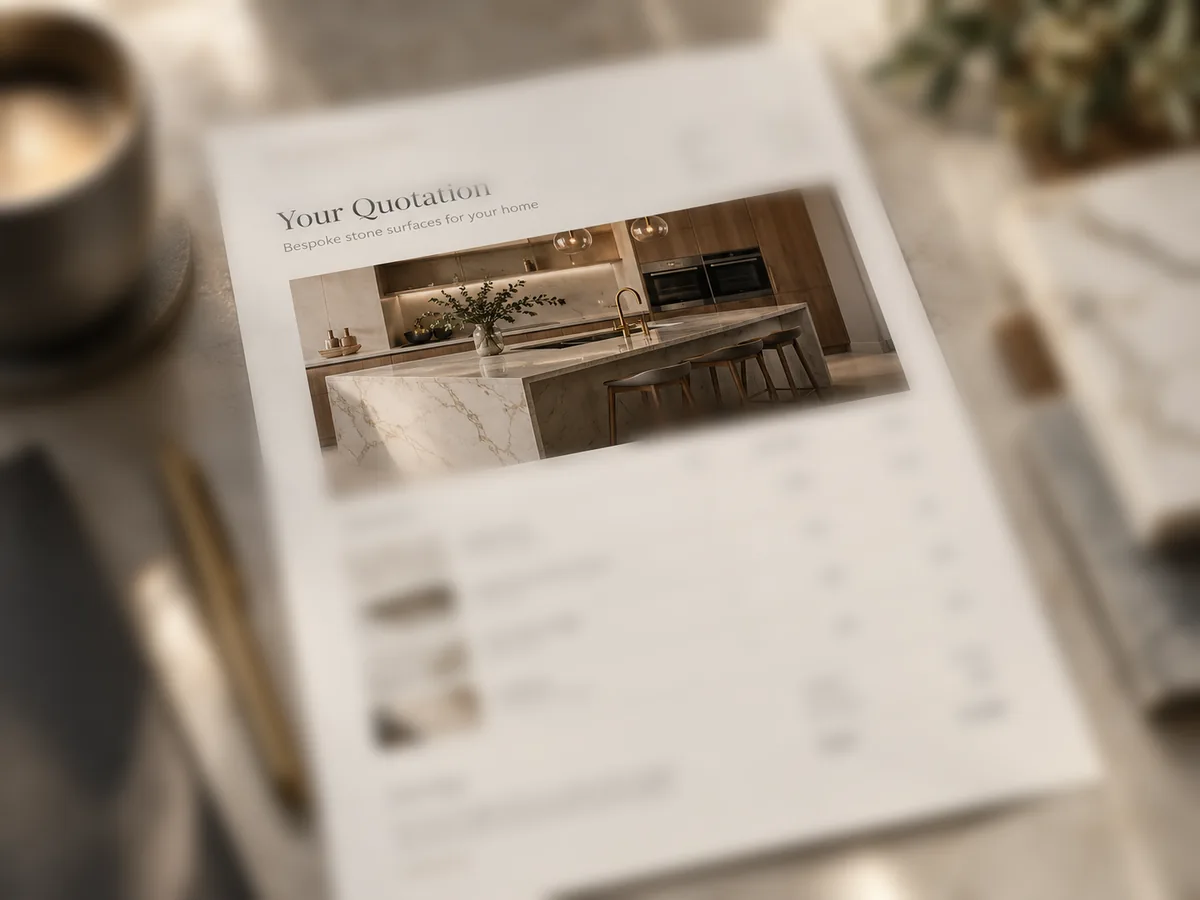
A clear written quote within 1 working day. No obligation.

4We measure and fit
We template on site once the units are in, cut the slab to your walls and fit it.
Six materials, six answersChoose the surface,
Choose the surface,
not the picture.
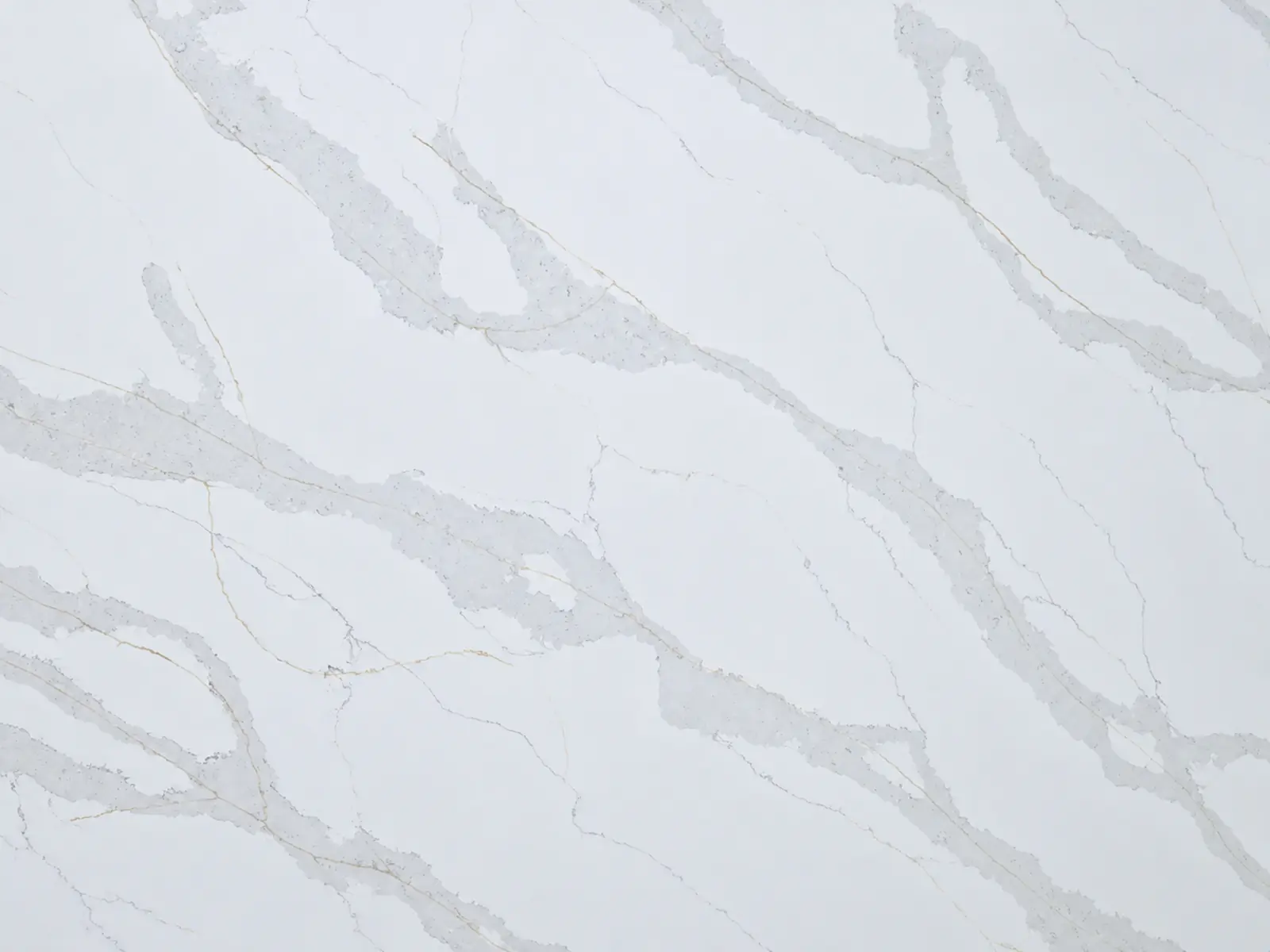
Quartz176 stones
- Nothing soaks in
- What you choose is what arrives
- Hard wearing
Know this first
Heat is the weak point, and it is the resin rather than the quartz. A pan straight off the hob can leave a dull mark or a scorch that does not come out, so a trivet is not optional. Prolonged direct sunlight can also shift the colour over years, which is why quartz is an indoor surface.
Care: Warm water and washing-up liquid. Nothing abrasive, nothing bleach-based, and a trivet under anything hot.
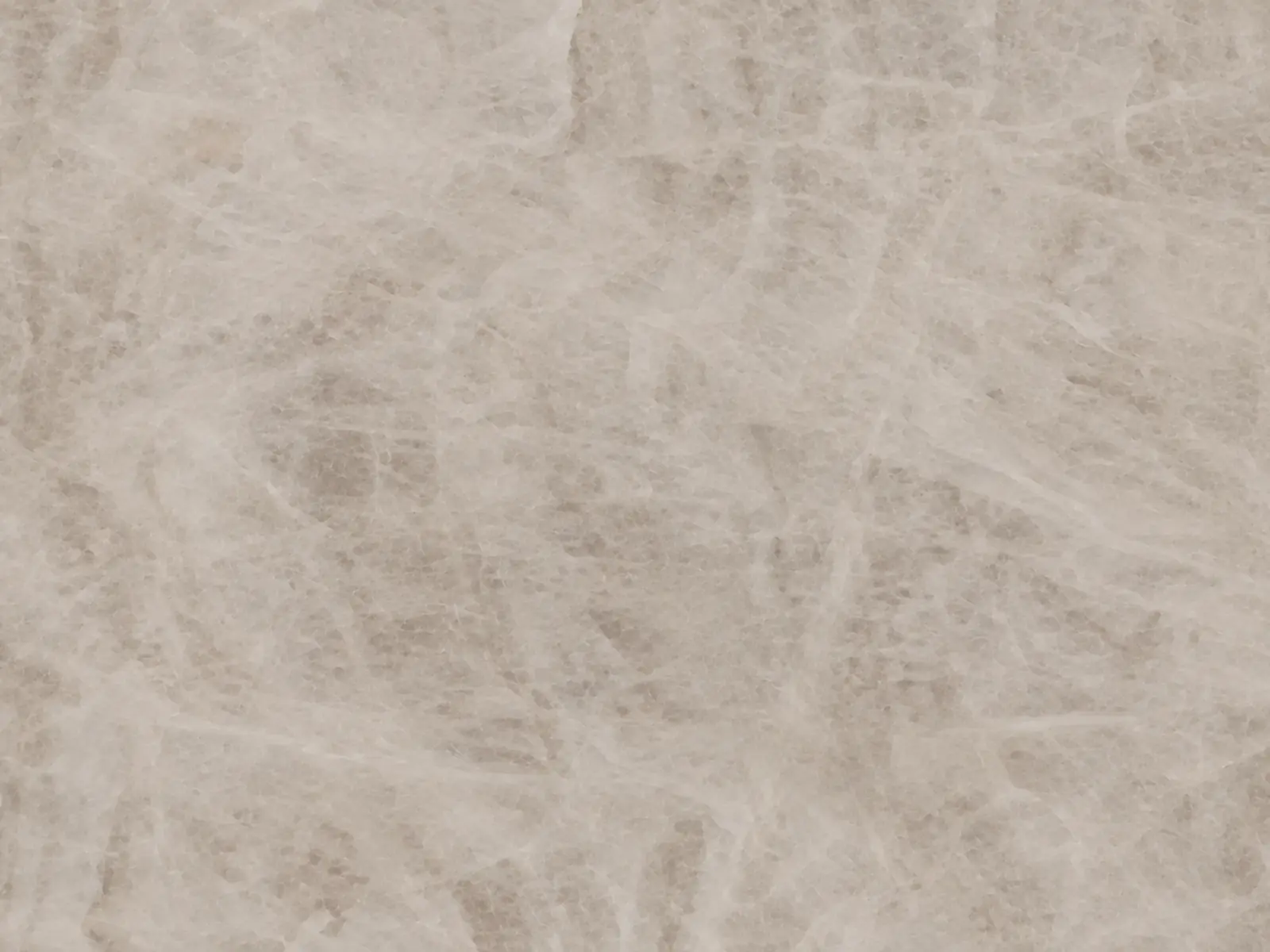
Quartzite15 stones
- The look of marble, harder
- Takes the heat
- Every slab is its own
Know this first
It is natural stone, so it is sealed when fitted and about once a year, and the veining varies from slab to slab. Some stones sold as quartzite are softer and closer to marble: we tell you which kind a slab is before you choose it.
Care: Sealed on fitting and about yearly, spills wiped rather than left, and a board for cutting.
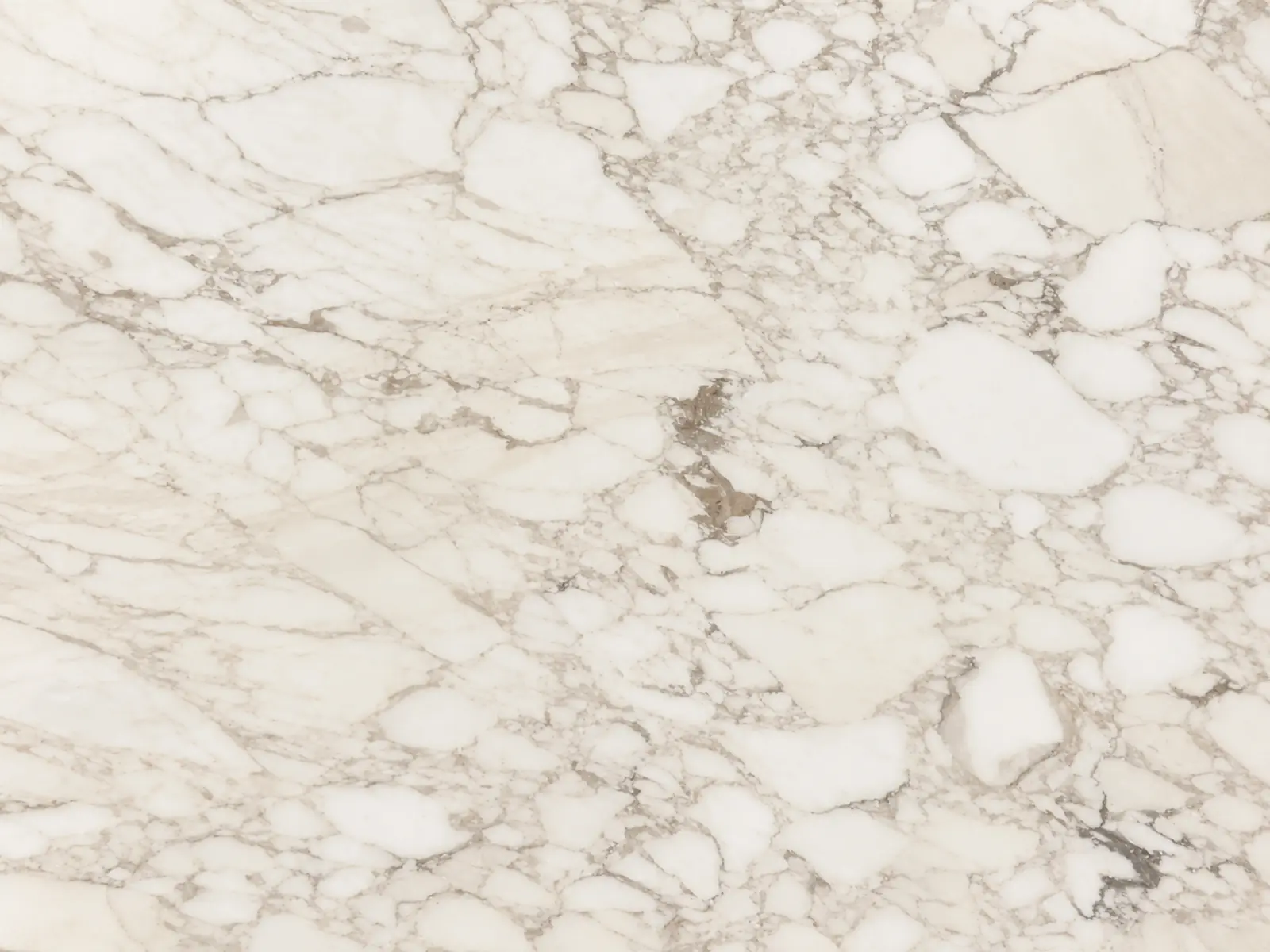
Marble22 stones
- Nothing else looks like it
- Cool to work on
- It ages rather than wears out
Know this first
It etches. Lemon, vinegar, wine and some cleaners dull the polish where they sit, and no sealer prevents that: a sealer slows a stain soaking in, it does not make stone acid-proof. If you want a worktop that never changes, marble is the wrong choice and we will say so.
Care: Sealed on fitting and about yearly, wiped rather than left, and a board and a trivet in daily use.
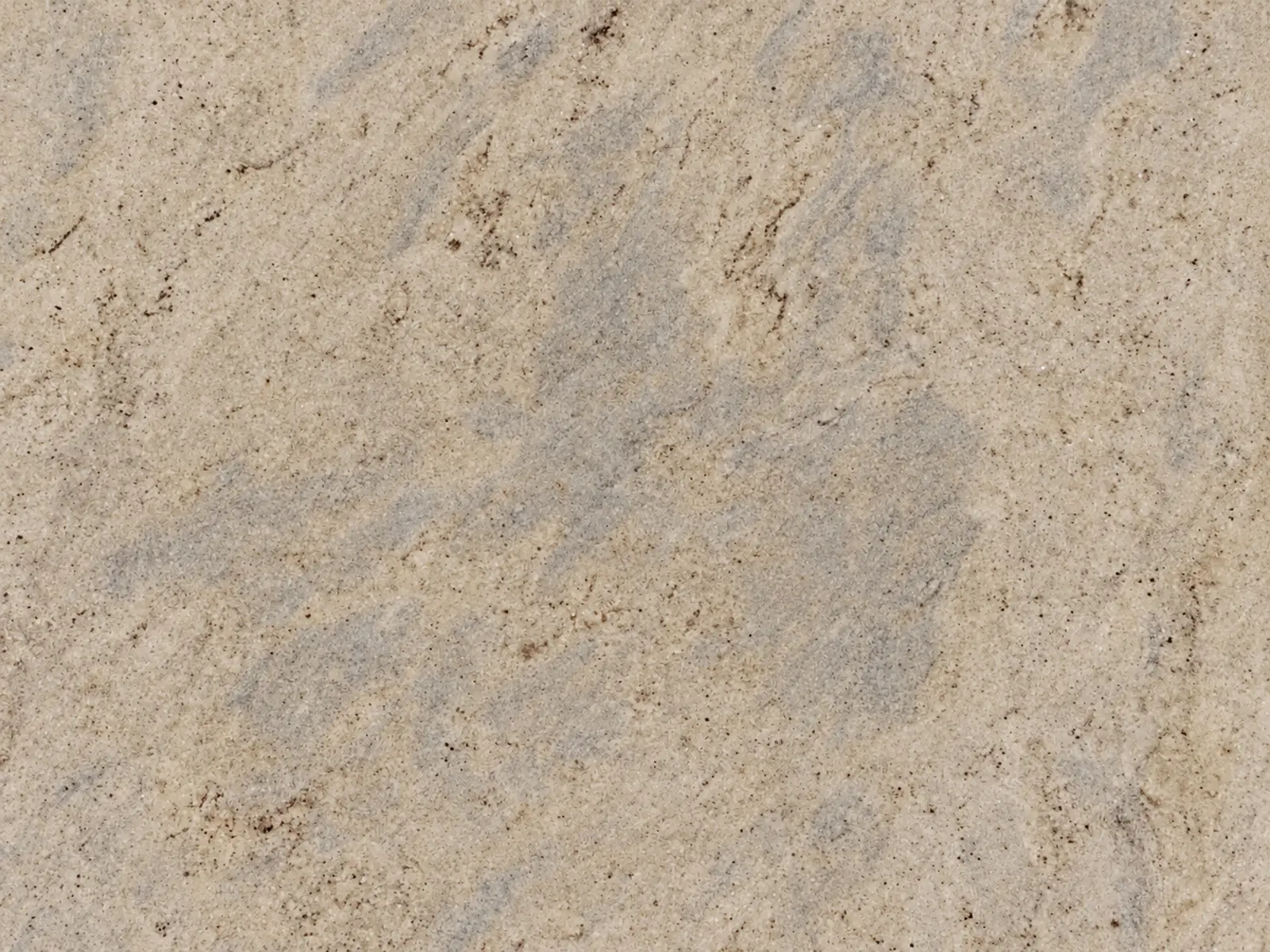
Granite16 stones
- Yours alone
- A hot pan is not a problem
- It can be brought back
Know this first
It is porous, so it is sealed when it is fitted and then roughly once a year. That takes a few minutes with a cloth, but a missed year and a spilled bottle of oil is a mark you will live with.
Care: Warm water and a pH-neutral cleaner, and reseal about yearly. Wipe oil and wine rather than leaving them.
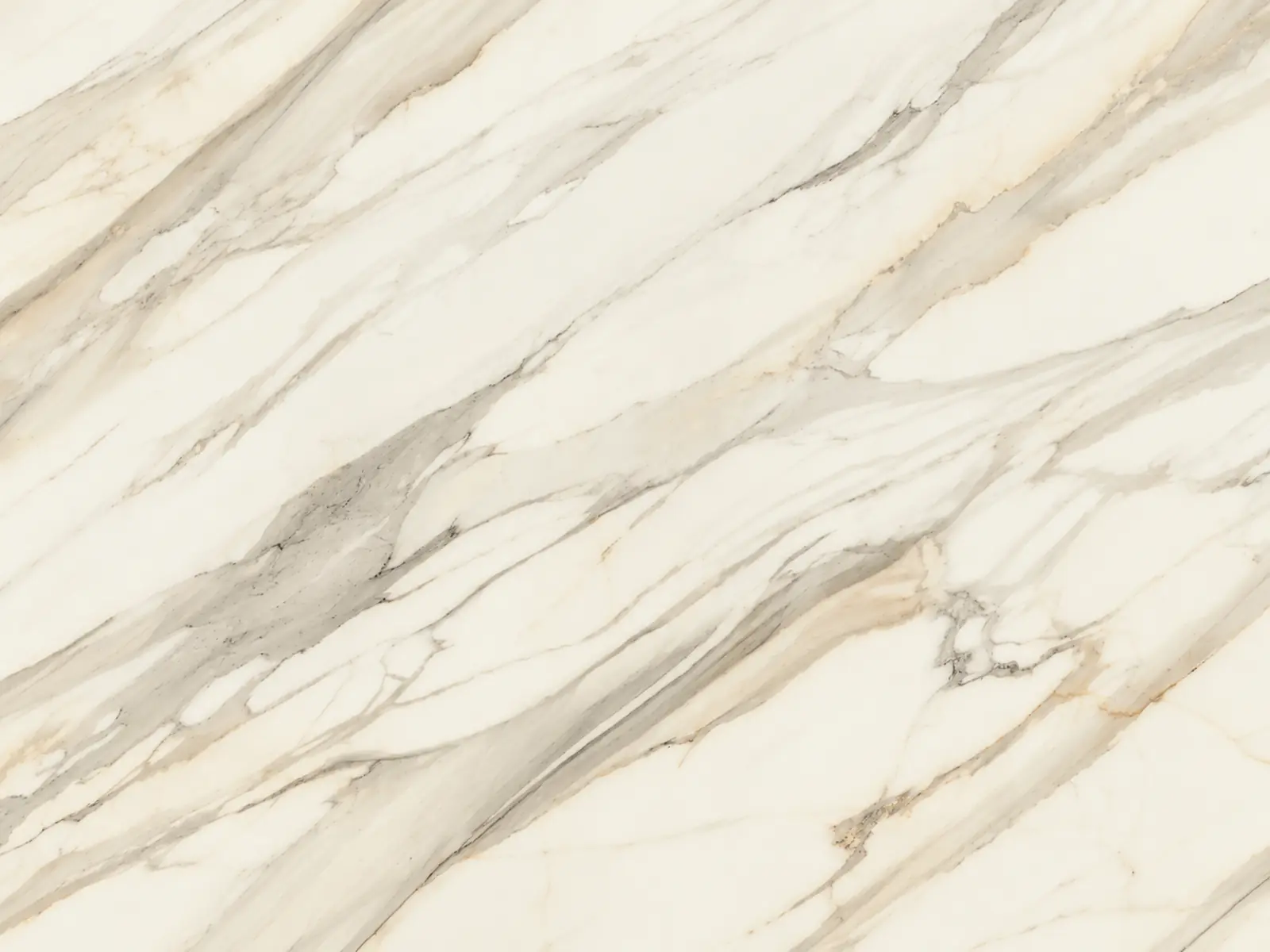
Porcelain18 stones
- Heat and light do nothing
- No sealing, ever
- Very hard to scratch
Know this first
The edge is the vulnerable part. A heavy impact on a mitred corner can chip it, and the repair is less forgiving than on stone. It is also worth asking where the pattern sits: on some ranges the veining is on the surface rather than through the body, so a deep chip shows a different colour underneath.
Care: Warm water and a pH-neutral cleaner. Nothing else is needed.
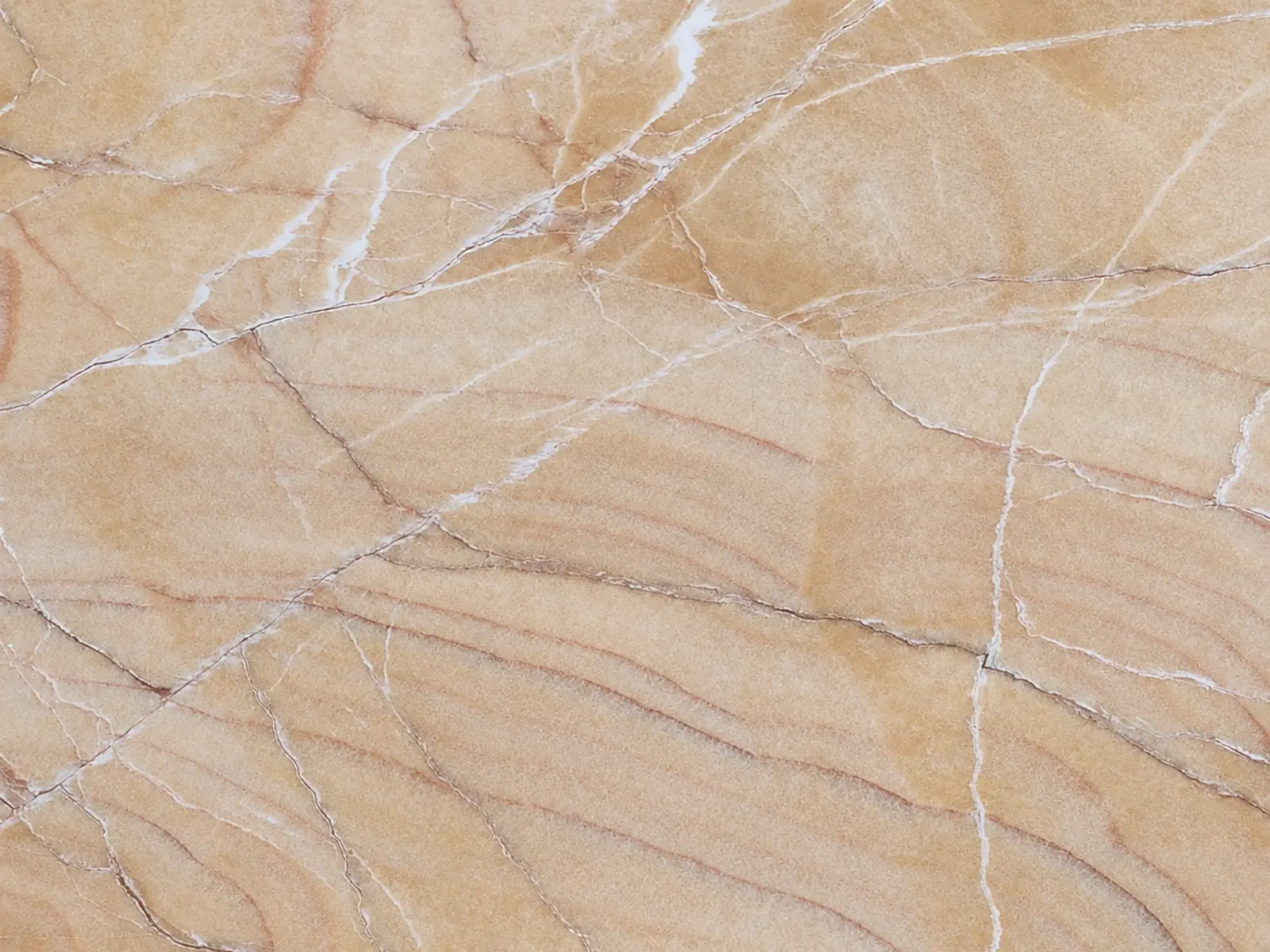
Onyx5 stones
- A piece people stop at
- It can be backlit
Know this first
It is softer than marble. It scratches and etches more easily, so it suits an island, a bar or a vanity better than the run where you chop and cook every day. We will say so if it is wrong for how you use your kitchen.
Care: Sealed on fitting and regularly after, wiped with a mild cleaner, and boards and trivets always.
Compare side by sideAgainst laminate, what most people are replacing
| Quartz | Quartzite | Marble | Granite | Porcelain | Onyx | Laminate | |
|---|---|---|---|---|---|---|---|
| Every top is unique | No, made to a recipe | Yes, every slab | Yes, every slab | Yes, every slab | No, a printed pattern | Yes, every slab | No |
| Needs sealing | Never | Yes, about yearly | Yes, about yearly | Yes, about yearly | Never | Yes, regularly | No |
| Hot pan straight down | No, the resin can scorch | Yes | Use a trivet | Yes | Yes | Use a trivet | No |
| Lemon, vinegar and wine | No effect | Resists most | Etches where it sits | Resists it well | No effect | Etches where it sits | No effect |
| Colour holds in sunlight | Can shift over years | Colourfast | Colourfast | Colourfast | Colourfast, outdoor safe | Can fade in strong sun | Can fade |
| Marks can be repaired later | Difficult, chips are filled | Yes, re-polished on site | Yes, honed on site | Yes, honed on site | Limited | Yes, honed on site | No |
QuestionsBefore you
Before you
choose.
The ones people ask before they order. Anything else, ask us on WhatsApp.
Start with how you cook. If pans come straight off the hob onto the side, granite, quartzite or porcelain. If you want the worktop to match what you saw in the showroom exactly across a long run and never think about sealing, quartz. If you want the veining of marble on a harder stone, quartzite. Marble and onyx are for people who love how they age, and onyx belongs on an island or a bar rather than where you chop. We will say which one is wrong for you before we quote.
On granite, quartzite and porcelain, yes. On marble and onyx, use a trivet. On quartz, no: the resin that binds it can scorch and the mark does not come out, so a trivet matters. This is the single biggest practical difference between the materials.
The natural stones do (granite, quartzite, marble and onyx), when they are fitted and then about once a year, and it takes a few minutes with a cloth. Quartz and porcelain never do: they are non-porous, so there is nothing for a sealer to close.
Quartz, quartzite, granite and porcelain resist scratching well; marble and onyx are softer and mark more easily. A board is sensible on all of them. Chipping happens at an edge, from a heavy impact rather than daily use. Natural stone can be honed and re-polished on site years later; quartz and porcelain are repaired rather than restored.
Yes. We supply the slab, measure the kitchen on site once the units are in, cut it in our workshop with the sink, hob and tap openings, and fit it. You can also buy the slab only if you have your own fitter.
It is quoted per kitchen rather than per square metre, because the cost depends on the cut: the runs, the joints, the sink and hob openings and the upstands. Send an approximate length and we will come back with a written quote.
No. We quote a single worktop run as readily as a whole kitchen with an island, upstands and a splashback.
Slabs come big enough that most islands run without one. Where a joint is unavoidable we place it where the pattern hides it, and we tell you where it falls before you commit rather than after it is fitted.
No. Worktops are a separate range, sold by the slab and cut to your kitchen, and they include quartz, quartzite, marble, granite and onyx that we do not sell as tiles at all. If you want a worktop and a floor to sit together, bring the tile and we will put it against the slab.
Yes, and with natural stone you should: the slab you approve is the slab that is cut. Ask in your quote and we arrange to show you the slab before anything is cut.
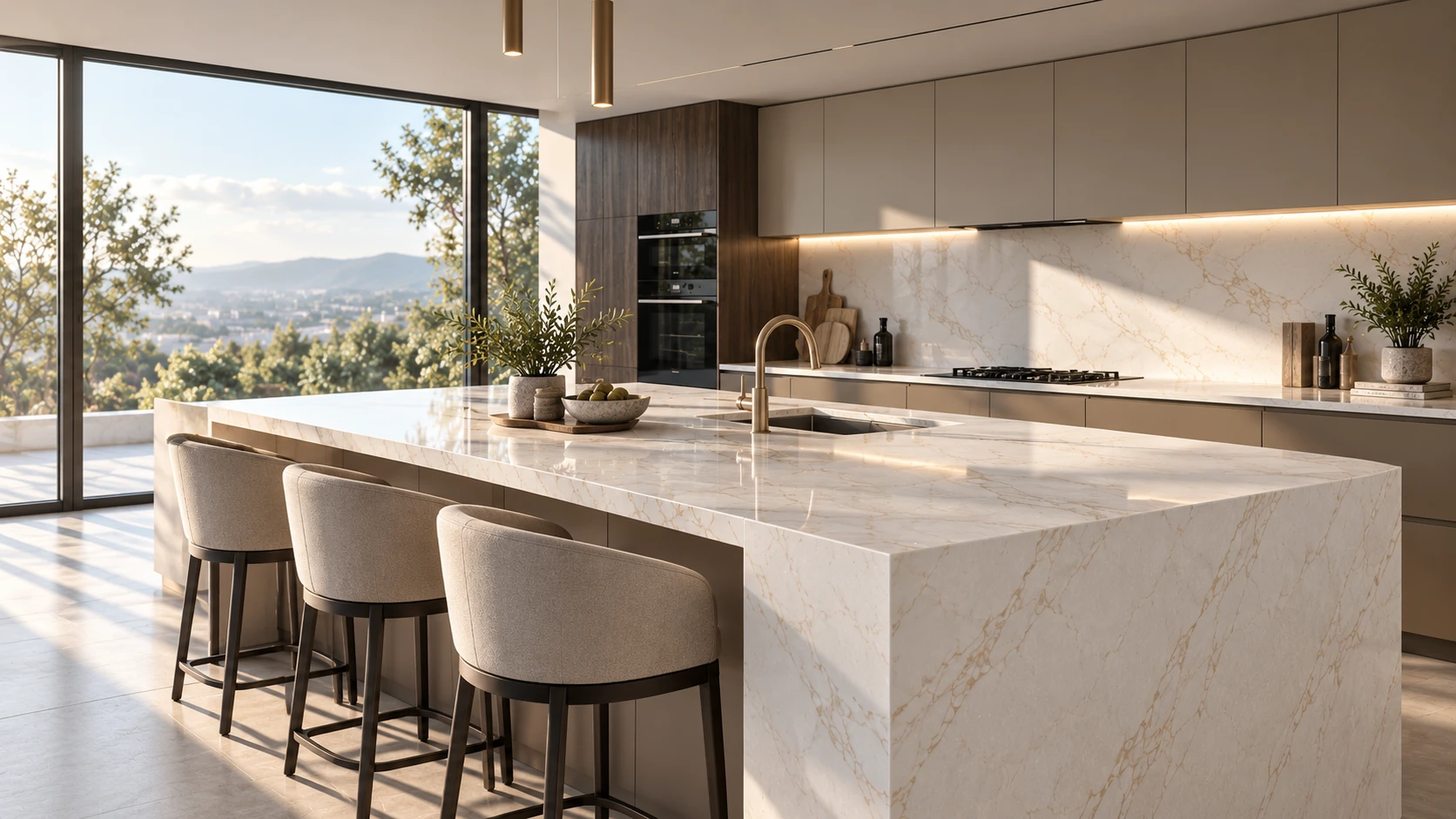
Worktop visualiserSee your stone
See your stone
on a kitchen.
Change the island, the waterfall, the run and the splashback, then ask for the price of the one you like.
Try the visualiserOr start with a photoSend us
Send us
the kitchen.
Priced per kitchen, not per square metre, because the cost is in the cut. We come back with a written quote.
 All worktops252 stones
 WhatsApp usA photo is enough